What is Dressmaking?
Dressmaking. The word explains itself. The making of a dress. That is certainly a correct definition, though not exactly legit since it uses the same words to define itself. Let’s take a step back to look at dressmaking in a larger context. Dressmaking is one of the two professions in the realm of fine sewing. The other is tailoring. What is the difference between dressmaking and tailoring?
Though both rely on needle and thread to join pieces of fabric to make clothing, each uses different materials, different skills, and results in a different product.
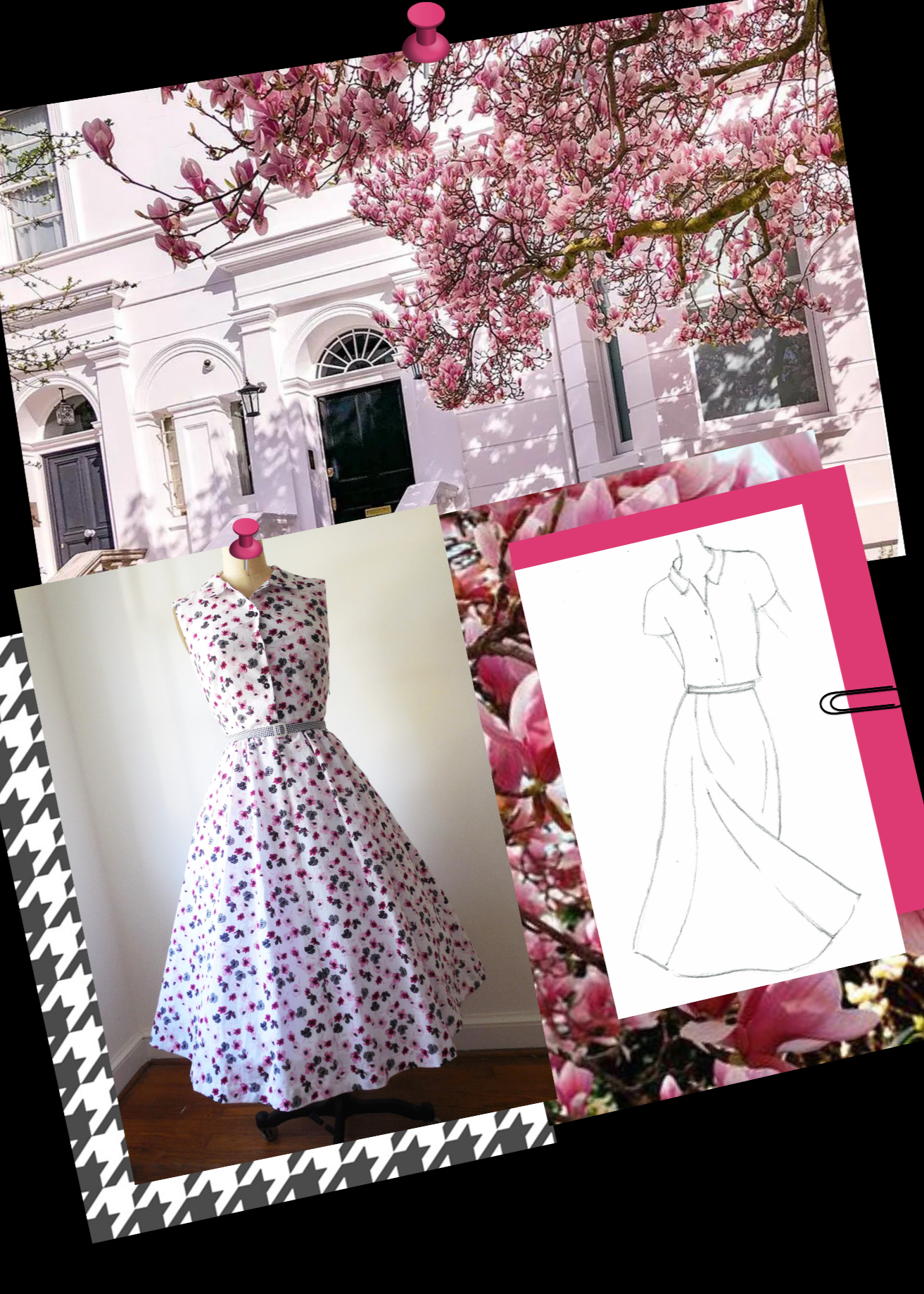
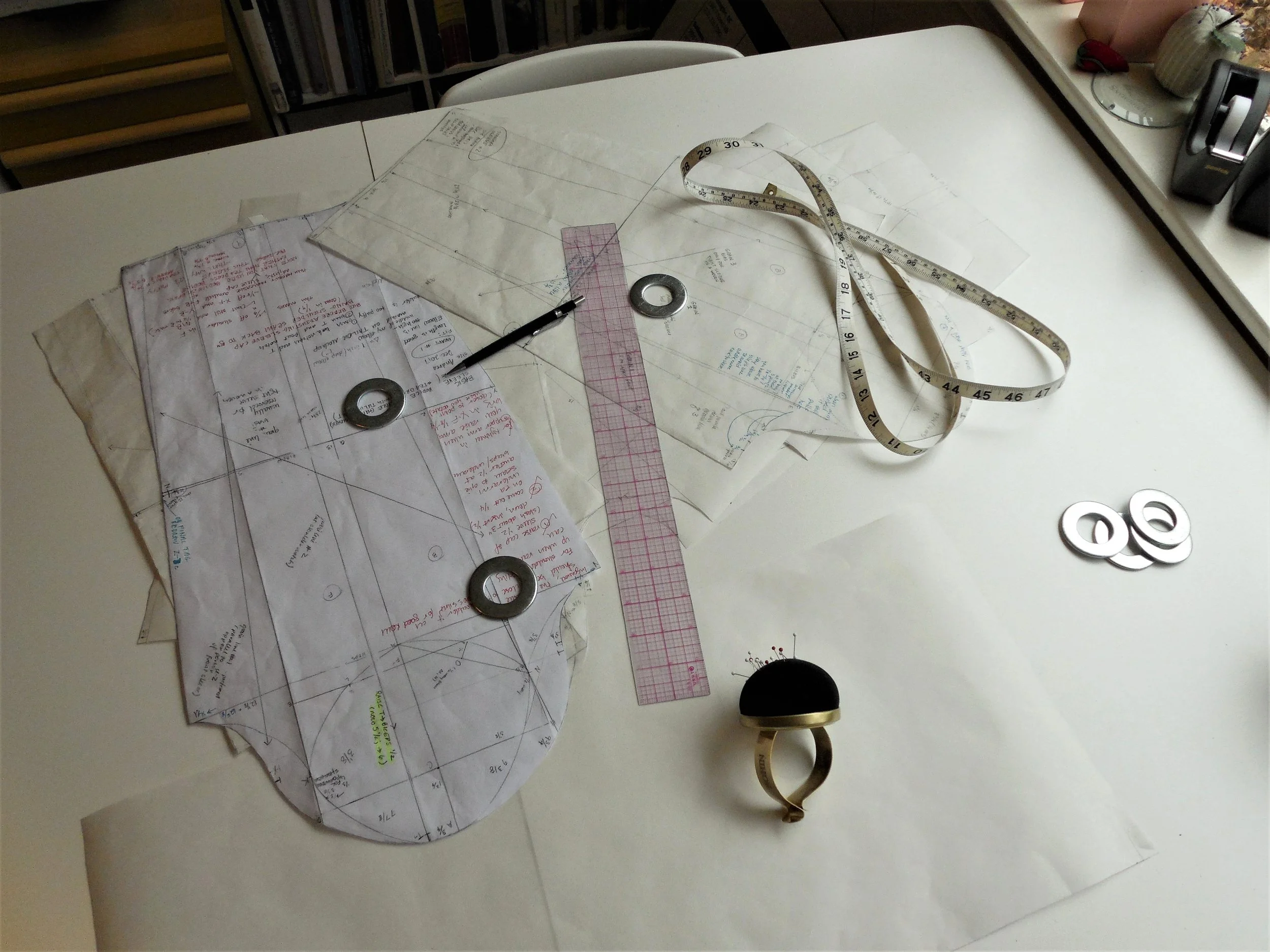
The traditional dressmaker is skilled in the art of couture sewing. The goal is meticulous fit, line, and movement. Luxury fabrics such as silk, fine cotton, or linen are used in garment fabrication. A pattern is created from the design sketch. When it is made up in muslin and sewn together, it is called a toile (twahl). The toile is custom fitted on the intended wearer. It is then taken apart to serve as a pattern, used to cut the garment fabric. Specialized support fabric, called underlining, gives the dress movement and durability. The dressmaker has at her disposal a library of hand sewing stitches, specialized to create a soft hem, secure a zipper, or keep a lining under control, among a thousand other things. The dressmaker specializes in dresses, blouses, skirts, and certain types of pant.
To understand the skills of the tailor, think men’s and women’s suits, sport coats and blazers, and trousers. And recognize that men’s and women’s tailoring are two separate and highly developed skills. In each case the goal is meticulous fit and structure. A tailored garment, often made of wool, requires specialized support materials to give the garment three-dimensional shape. Horsehair canvas. Shoulder pad. Felt undercollar. Specialized hand stitches to attach the support materials. Specialized pressing tools.
Over time the traditional methods and materials of both the dressmaker and the tailor have evolved. At times both may use a sewing machine as well as hand-held needle and thread. Synthetic fibers that travel well may be preferable to a fragile silk. Fusible interlining may replace traditional canvas. Whatever may evolve over time the dressmaker and the tailor are two different forms of the highly skilled artisan who makes clothing.