The Story in a Spool of Thread
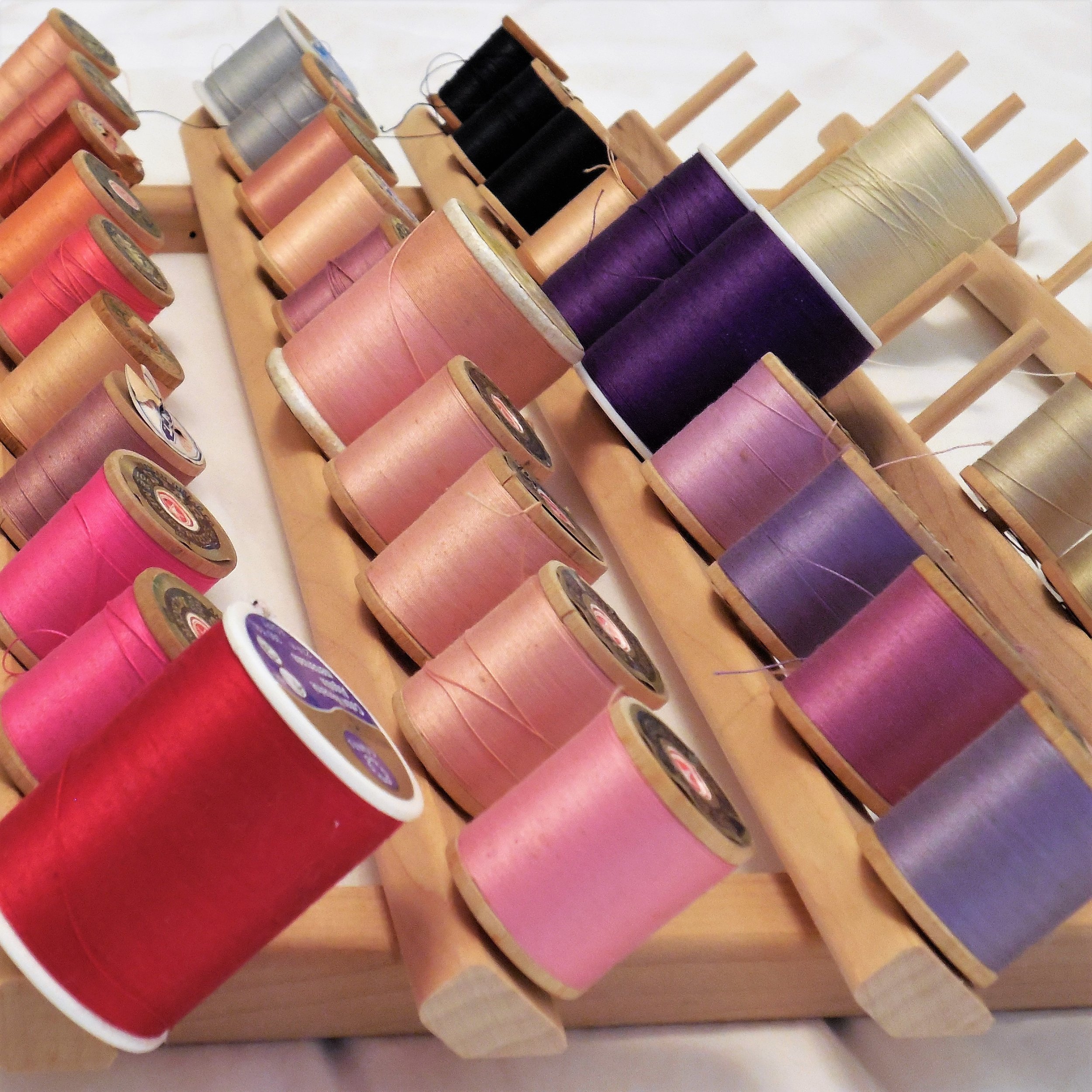
Thread is all around us. A handsome line of stitches. The wherewithal to button a winter coat. A rainbow of color on wooden spools. The contents of a glossy chest of tiny drawers.
But before it creates anything else, a spool of cotton thread is a universe unto itself.
It is a spun fiber infinitely stronger than the fluff it came from. A vast world of possibility of color and line. Ultimately how we keep warm or cool, and covered or uncovered to the degree we choose.
In partnership with a sliver of metal, thread created an income at home for centuries of men and women in cities and countryside.
It is also at the root of an industry that shaped humankind. Grew cities and towns. Created personal fortunes. Employed laborers, male and female, adult and child. Gave immigrants a chance at a new life. Founded dozens of cities.
Maybe you recognize some of the names: JP Coats. Clark’s. Coats and Clark. Belding Corticelli. Star. American. Lily. Talon. Ivory. Robinson. Monarch. Betsy Ross. These are just a few of the once dozens of brands of thread produced in factories across the USA.
Some are Mercerized. Twist. Boilfast. Bel Waxed. Still others ONT. What does it mean to be Six-Cord? Button and Carpet? Floss? There is so much to say about thread.
Today we start with a one-on-one interview with a single spool.
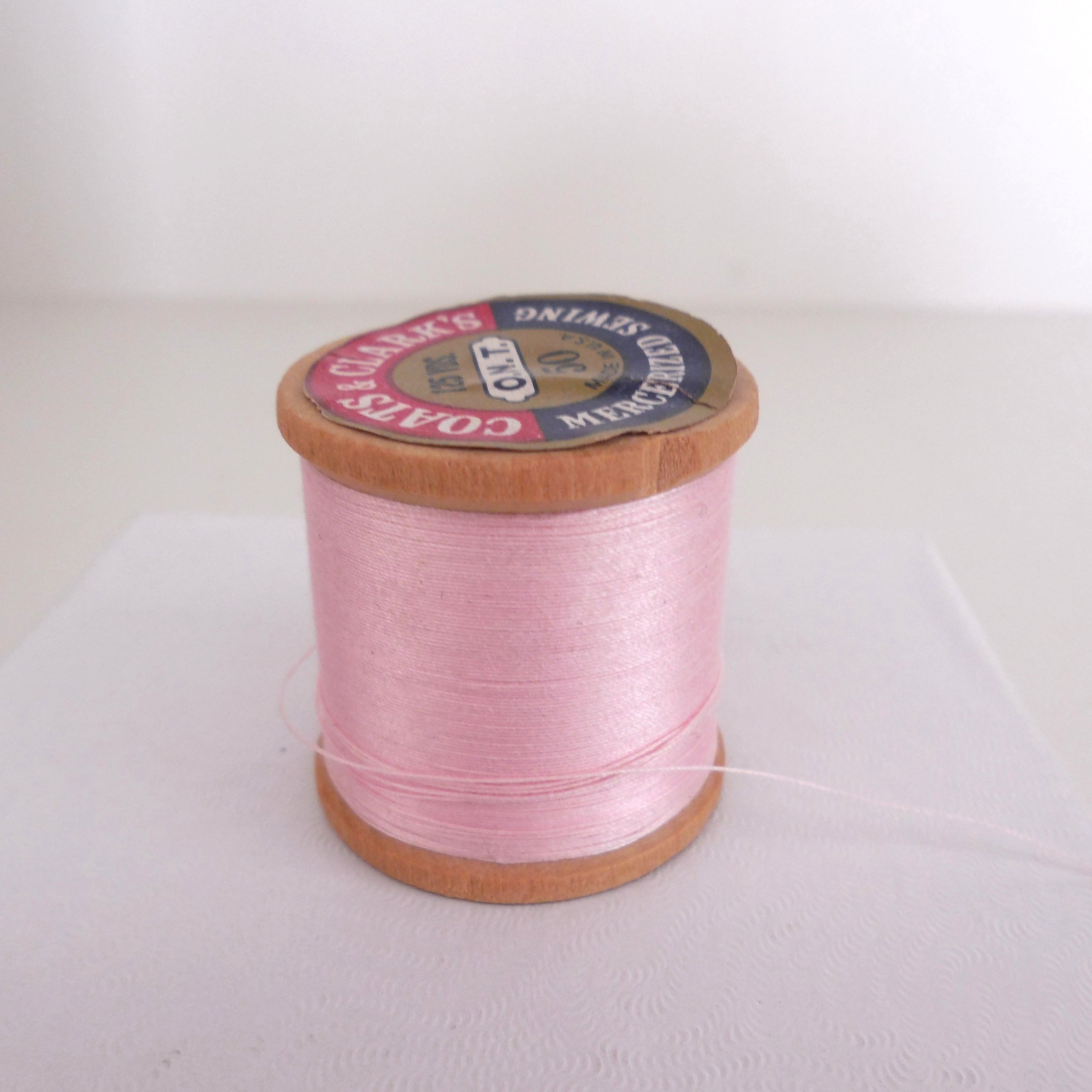
It gives me great pleasure to introduce a favorite shade, taken directly from the rack in the workroom. Meet Coats and Clark’s ONT 50 Boilfast 31 Made in USA 125 Yards Mercerized Sewing Thread.
Before we translate all these terms, recognize that this wealth of information is conveyed on two round paper labels, each 7/8 inch diameter and stuck on either end of a 1 1/16 inch high wooden spool.
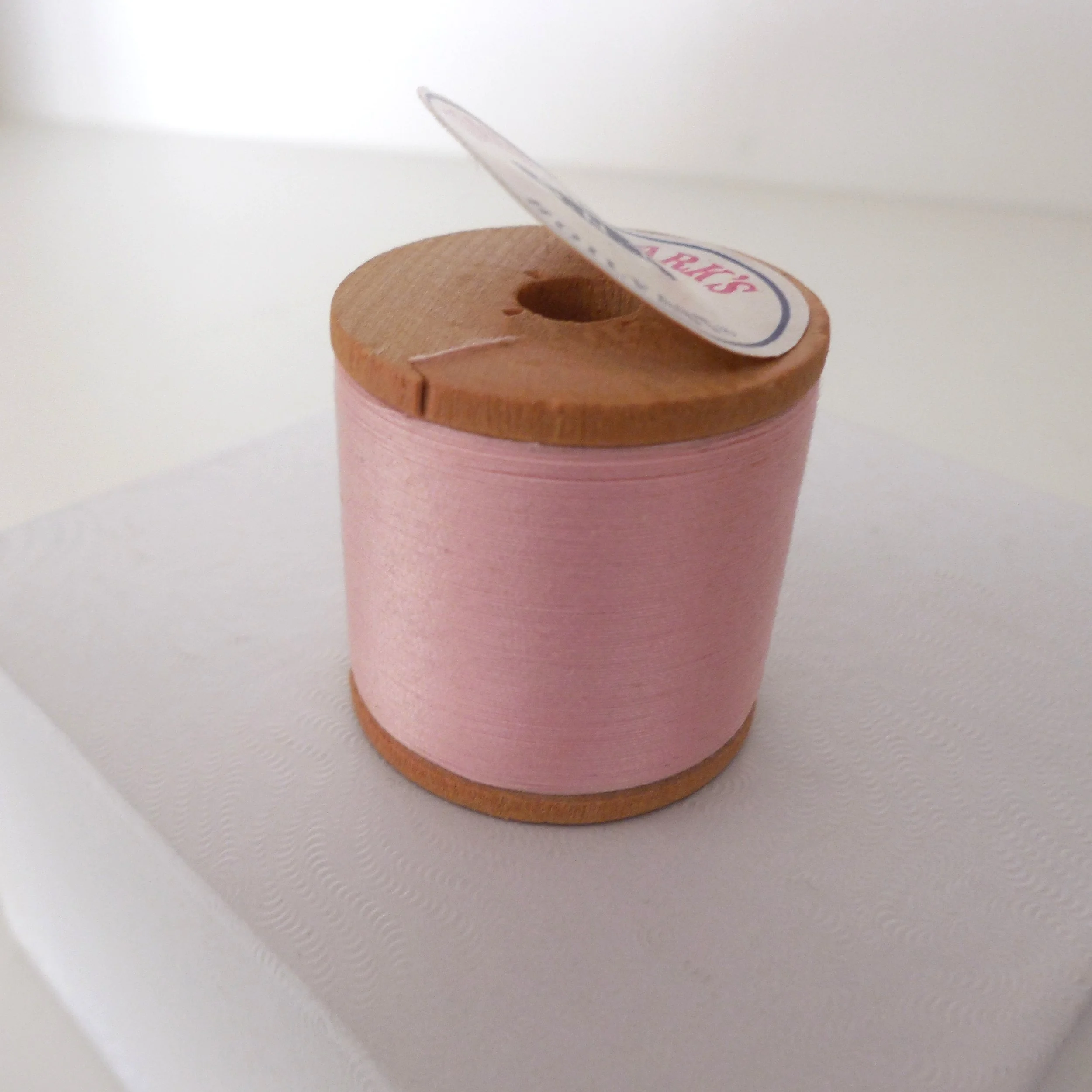
There’s more. If you look carefully at the rims of the spool, on one you’ll notice a little notch. This is not an accident. Carefully separate the label from the spool end just where you find the notch. If it’s a brand new spool you’ll see that the notch has a purpose, which is to secure the end of the thread so it doesn’t go flying all over the place. Such a notch is useful if the spool is not yet sold, since it shows the thread is ‘factory fresh.’ If the spool is already employed, the notch helps keep the workroom neat by providing a means to lock the thread back in place once the spool of thread has been started. If only one took the time.